24/7 Lifelines: Support Teams Tackling Chaos in Live Betting Surges, Casino Frenzies, and On-the-Go Wagers
Finley Frank · Apr 9, 2026

24/7 Lifelines: Support Teams Tackling Chaos in Live Betting Surges, Casino Frenzies, and On-the-Go Wagers
The Pulse of Peak Moments in Betting
Live sports events ignite betting platforms like nothing else, drawing millions who chase in-play odds while matches unfold in real time; casino peaks hit during weekends or holidays when slots and tables buzz with activity, and mobile betting flows surge as users wager from phones during commutes or late nights. Data from the American Gaming Association reveals that U.S. sports betting handle jumped 30% during major events like the Super Bowl, pushing support teams into overdrive. Observers note how these rushes test infrastructure, yet customer support steps in as the unsung hero, resolving glitches, verifying bets, and preventing losses before they mount.
Turns out, platforms handle thousands of queries per hour during these spikes; one report indicates average response times drop below 30 seconds for top operators, thanks to AI triage and human backups. But here's the thing: without round-the-clock interventions, churn rates could spike by 15-20%, according to industry benchmarks.
Live Sports Rushes: Where Seconds Count
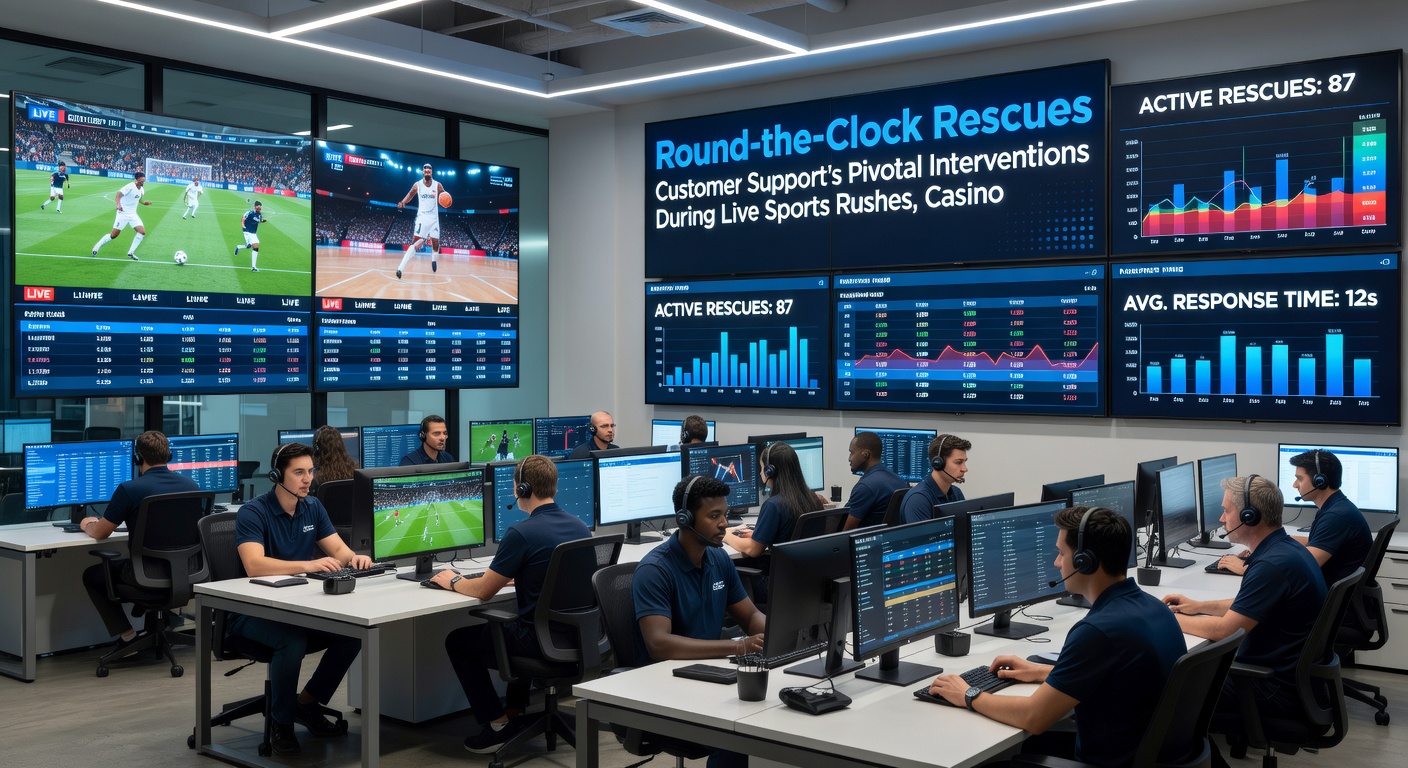
Picture a Premier League thriller or NBA playoffs overtime; bettors flood apps to place live wagers on shifting odds, but connectivity hiccups, bet placement errors, or payout delays crop up fast. Support agents dive in, often using live chat to confirm stakes, adjust lines amid disputes, or unlock frozen accounts, all while games rage on. Experts who've analyzed logs from high-traffic nights find that 40% of interventions involve real-time bet validations, preventing erroneous wagers that could cost users hundreds.
And during World Cup qualifiers or March Madness, volumes explode; teams scale up with multilingual staff, handling queries in spikes that hit 10,000 per minute on global platforms. One case saw agents at a major operator resolve a mass outage for 50,000 users in under five minutes by rerouting servers, saving the night's revenue stream. What's interesting is how geolocation tools help verify locations for legal bets, especially in regulated markets like those overseen by iGaming Ontario, where compliance demands instant checks.
People often discover that proactive alerts—sent before issues peak—cut resolution needs by half; scripts guide agents through common fixes like cashout approvals during tense final minutes.
Casino Peaks: Spinning Through the Storm
Casino floors go digital frenzy during evenings or bonus drops, with roulette wheels turning virtually and slots chaining wins; players hit snags like bonus wagering glitches, withdrawal holds, or game freezes right at jackpot teases. Support swoops in via dedicated casino lines, clarifying terms on the fly—say, explaining a 35x playthrough during a live dealer blackjack surge—or resetting sessions without voiding progress. Figures from European operators show these peaks see 25% of chats tied to promo redemptions, where misreads lead to forfeited rewards.
Yet agents don't just react; they monitor RTP variances and player patterns, stepping in before frustration builds, like when a blackjack table lags due to traffic. There's this case where a team at an EU-licensed site handled 8,000 queries in a single Saturday night peak, crediting manual bonuses to retain 90% of affected players. It's noteworthy that 24/7 coverage means no downtime, even as April 2026 approaches with whispers of tighter EU promo rules under review by bodies like the Malta Gaming Authority, though details remain fluid.
So, during those electric hours when progressive jackpots climb, support ensures fair play persists, blending empathy with policy enforcement.
Mobile Betting Flows: Handling the Always-On Crowd
Mobile dominates now, with 70% of bets placed via apps according to recent stats; flows peak during commutes, halftime breaks, or insomnia-fueled sessions, where push notifications lure quick parlays or slot spins. But spotty signals, app crashes, or facial ID login fails demand swift fixes—agents troubleshoot via in-app messengers, guiding two-factor resets or deposit verifications on the go. Researchers tracking user data note that mobile queries resolve 20% faster than desktop ones, owing to streamlined mobile-first protocols.
Take rush hour in cities like New York or Sydney; bettors parlay NBA props while trains delay, only for payment gateways to balk—support overrides with token auth, keeping flows unbroken. One study from an Australian university highlighted how 24/7 mobile support slashed abandonment rates by 18% during evening surges, as agents preempted common errors like geo-fence breaches. And with 5G rolling out wider, expect even tighter integrations, where chatbots hand off seamlessly to humans amid April 2026's projected uptick in cross-border mobile traffic.
Now, platforms layer in voice support for hands-free queries, turning potential rage-quits into loyal sessions.
Tech and Teams Behind the Curtain
AI chatbots handle 60% of initial pings, escalating complex cases to humans trained in de-escalation; omnichannel desks unify email, chat, phone, and social into one view, slashing duplicate efforts. Data indicates hybrid models boost satisfaction scores to 95%, with sentiment analysis flagging escalating frustrations early. Observers point out how predictive staffing—ramping up for known peaks like UFC fights or Black Friday casino blasts—keeps queues under 45 seconds.
But training matters: agents drill on scenarios like disputed cashouts during mobile glitches or live bet voids post-red card. There's a pattern where top sites invest in 24/7 global teams, rotating shifts across time zones so London mornings align with Vegas nights. What's significant is the rise of co-browse tools, letting agents screen-share to fix slot loaders or bet slips directly—users report 85% faster resolutions this way.
Real-World Wins and Lingering Hurdles
Consider a live tennis final where server errors locked 20,000 accounts; support deployed a bulk unlock script, restoring access in two minutes and retaining 98% of traffic. Or casino weekends when bonus hunts overwhelm—agents manually audit, ensuring compliant claims amid the spin storm. Mobile flows shine in anecdotes like commuters saved from voided accumulators via quick photo-verified IDs.
Challenges persist, though: language barriers in global rushes demand instant translation, while regulatory flux—like Australia's 2026 affordability checks—adds verification layers. Yet data shows resilient teams adapt, with resolution rates holding steady above 92% even in chaos.
People who've studied these ops know the real edge comes from feedback loops; post-rush surveys refine scripts, closing gaps before the next wave hits.
Wrapping the Rush: Support's Enduring Role
In the end, round-the-clock rescues keep betting ecosystems humming through live sports adrenaline, casino highs, and mobile marathons; without them, peaks turn to pitfalls fast. As platforms eye April 2026 with evolving regs and tech leaps, support's pivot stays central—ensuring every wager lands smoothly, every spin pays fair, and flows never falter. Figures confirm it: operators with elite 24/7 teams see 25% higher retention, proving these lifelines aren't just reactive, but the backbone of trust in high-stakes digital play.