Aligning Entry Processes with Reward Systems in Portable Live Betting and Casino Applications
Drew Schröder · Jun 5, 2026
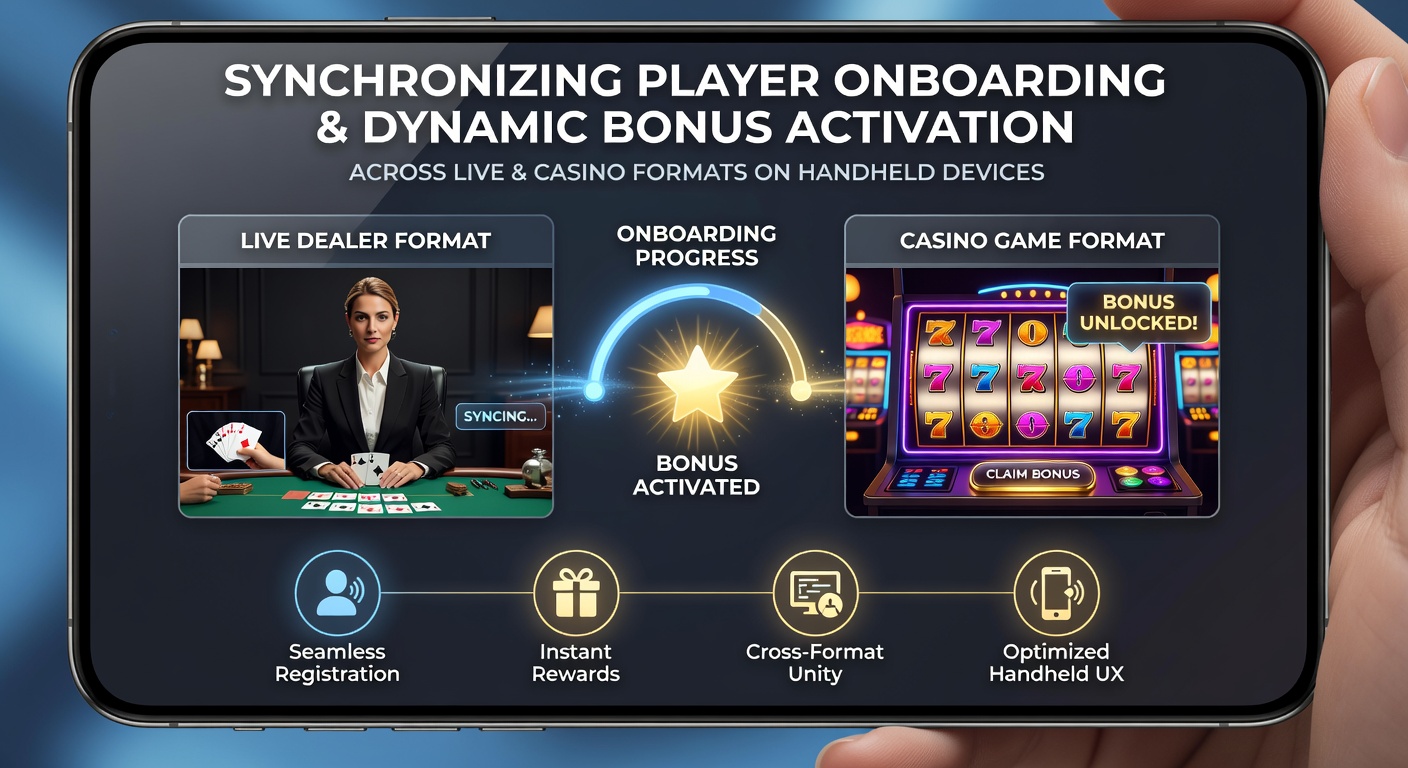
Aligning Entry Processes with Reward Systems in Portable Live Betting and Casino Applications
Operators across multiple regions have developed systems that connect new user registration directly to real-time reward mechanisms on handheld devices, allowing immediate access to incentives while players move between live sports betting and casino game environments. Data from industry analyses shows that these integrated approaches reduce drop-off rates during initial sessions, with handheld platforms handling both verticals through unified backend structures.
Core Components of Unified Onboarding Systems
Registration workflows on mobile applications now pull identity verification, payment setup, and preference mapping into a single sequence that feeds directly into bonus engines, and this setup supports live event wagering alongside slot or table games without separate logins or menu switches. Research from the American Gaming Association indicates that platforms using API-linked modules achieve activation times under thirty seconds in most tested scenarios, while separate systems often require multiple screens and repeated data entry.
Dynamic bonus rules adjust based on player location data, device type, and chosen format, so a user completing signup during a live match receives tailored odds boosts while the same account triggers free spins once redirected to casino sections. Observers note that such adjustments rely on real-time data streams rather than static offers, which keeps incentives relevant across different game types.
Technical Integration Across Live and Casino Formats
Backend databases store user profiles in formats compatible with both sports data feeds and random number generators used in casino titles, allowing bonus balances to transfer without manual intervention when users switch modes on the same device. Studies published by the University of Nevada, Reno gaming research group highlight that middleware layers handle format-specific triggers, such as match-start timers for live bets or reel-stop events for slots, ensuring activation occurs at the precise moment a player qualifies.
Device sensors and session tracking further refine these processes by monitoring network stability and screen orientation, which prevents interruptions when players move from portrait casino views to landscape live score displays. Figures from Canadian provincial regulators reveal that synchronized mobile systems recorded higher completion rates for multi-format sessions compared with fragmented desktop equivalents during the first half of 2026.
Regional Regulatory Influences on Mobile Synchronization
Authorities in Australia and several European Union member states require clear disclosure of bonus terms at the point of activation, which developers address through in-app pop-ups that appear immediately after registration completes. These rules push operators to embed compliance checks inside the onboarding flow rather than as afterthoughts, and the approach maintains compatibility with both live betting markets and casino RNG certifications.
Reports from the Australian Communications and Media Authority document steady growth in mobile gambling participation through mid-2026, with synchronized bonus features cited as a contributing factor in user retention metrics across state lines. Meanwhile, frameworks in New Jersey and other U.S. regulated markets emphasize geofencing tied to bonus eligibility, ensuring handheld activations respect jurisdictional boundaries without disrupting the overall experience.
Operational Outcomes Observed in June 2026
By June 2026, platform analytics collected from multiple operators showed that accounts activated through unified mobile flows generated more cross-format activity within the first twenty-four hours than those using staged registration methods. Live betting sessions frequently transitioned into casino play when bonus balances carried over automatically, creating continuous engagement loops supported by push notifications calibrated to event schedules.
Security protocols integrated at the onboarding stage, including biometric prompts and encrypted token exchanges, extend protection to subsequent bonus redemptions regardless of whether the activity occurs in sportsbooks or gaming lobbies. Industry associations tracking these developments report fewer support tickets related to missing rewards when systems operate under single-session logic.
Conclusion
Current implementations demonstrate that connecting registration sequences with dynamic reward triggers on handheld devices supports fluid movement between live and casino offerings while meeting varied regulatory standards. Continued refinement of these connections relies on data from operators and oversight bodies operating outside traditional UK frameworks, shaping how future updates maintain consistency across device types and game categories.