Cash Corridors and Cue Lines: How Transaction Speeds Link Mobile Sign-Ups to Live Casino Rewards and On-Call Guidance
Finley Frank · May 19, 2026
Cash Corridors and Cue Lines: How Transaction Speeds Link Mobile Sign-Ups to Live Casino Rewards and On-Call Guidance
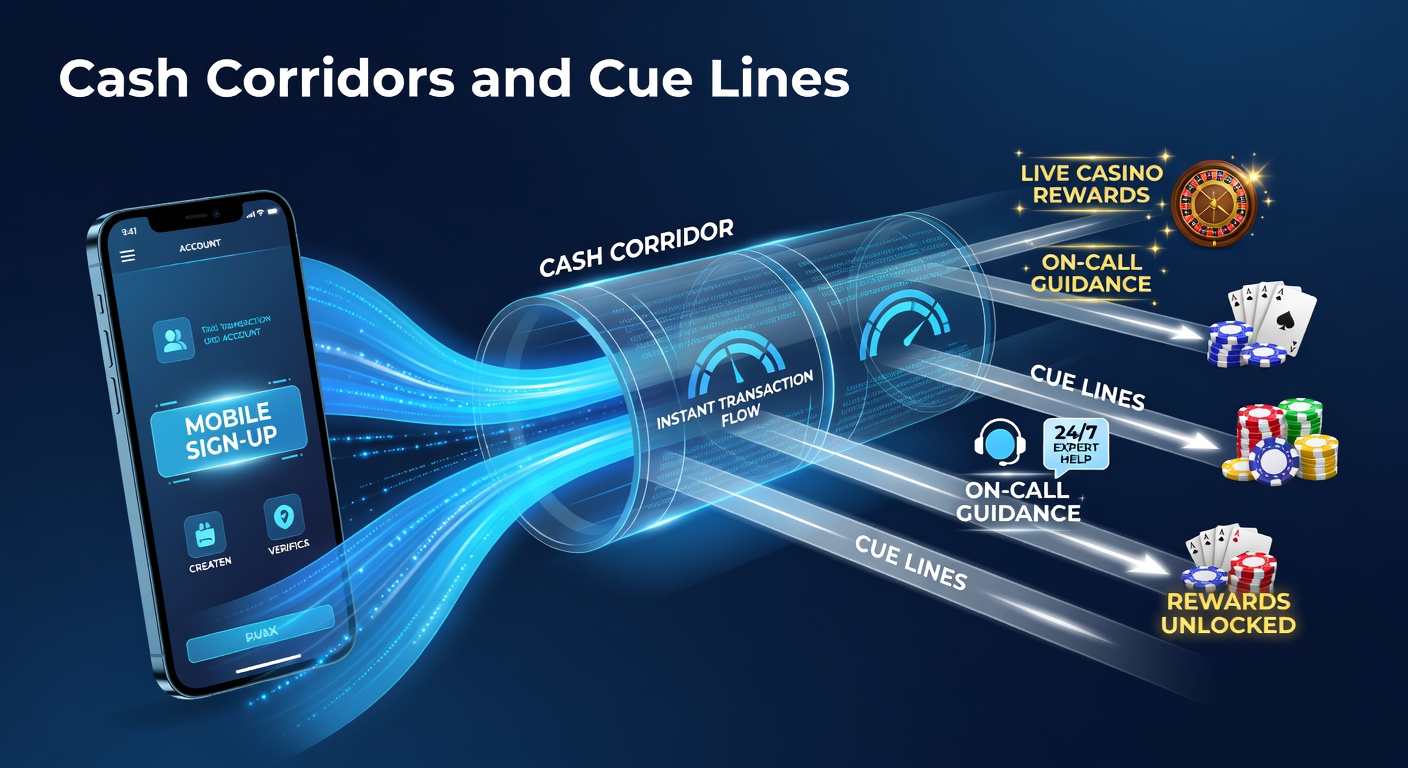
Transaction speeds in digital gambling platforms create direct pathways between initial mobile registrations and subsequent live casino activity, according to industry payment analyses. Observers note that these pathways, often described as cash corridors, reduce delays during onboarding while simultaneously routing users toward reward systems and support queues known as cue lines. Data from payment processors indicates that verification steps completed within seconds allow new accounts to access deposit functions without interruption, which in turn activates bonus eligibility in live dealer environments. Mobile sign-up processes now incorporate instant identity checks that feed directly into transaction engines. When a user completes registration on a smartphone, the system routes banking details through secure channels that confirm funds availability almost immediately. This linkage means live casino tables become accessible within the same session, while reward triggers activate based on the timing of the first deposit. Researchers at the University of Nevada’s gaming technology program have documented how these integrated flows increase session continuity across multiple game types.Transaction Pathways and Reward Activation
Payment corridors function as timed sequences that connect registration data to real-time casino rewards. A completed mobile deposit moves through authorization layers in under ten seconds in many systems, which then unlocks promotional credits visible on the account dashboard. Those credits often apply automatically to live roulette or blackjack sessions, creating an unbroken chain from sign-up to active play. Industry reports show that platforms using these corridors report higher conversion rates from registration to first wager compared with slower verification methods.
Cue lines operate in parallel as support channels that respond to transaction confirmations. When a deposit processes successfully, automated systems notify on-call teams who stand ready to address any follow-up questions. This coordination ensures guidance remains available during the critical window when users first explore live casino features. Figures from the Canadian Centre for Substance Use and Addiction reveal that timely support access correlates with sustained engagement levels across mobile gaming applications.Integration in Live Casino Environments
Live casino operators rely on these speed linkages to maintain momentum once players enter streaming tables. A rapid sign-up followed by an immediate deposit places users at virtual tables where dealer interactions and side bets proceed without pause. Rewards earned through initial activity appear as balance adjustments that users can apply mid-session, while cue-line agents monitor for any friction points such as currency conversions or limit adjustments. The European Gaming adn Betting Association has published summaries noting that streamlined payment rails support higher volumes of concurrent live sessions during peak evening hours.
 Developments scheduled for May 2026 include updates to cross-border payment standards that further compress authorization windows. Regulatory adjustments in several jurisdictions aim to standardize instant verification protocols, which would extend the same corridor efficiency to additional markets. Platform operators have begun testing these protocols in advance, integrating them with existing cue-line systems so support staff receive real-time alerts the moment a new account completes its first transaction.
Support Structures and Real-Time Coordination
On-call guidance relies on data feeds from transaction corridors to anticipate user needs before they arise. When a mobile sign-up triggers a deposit, the system logs the event and routes a notification to available agents who can then initiate proactive contact. This approach reduces wait times in cue lines and keeps players engaged with live tables rather than navigating menus for assistance. Studies compiled by the Australian Institute of Criminology highlight how such coordination affects both player retention metrics and operational efficiency across multi-jurisdictional operators.
The overall architecture demonstrates clear dependencies between speed, reward delivery, and support availability. Faster corridors shorten the interval between registration and live play, while cue lines maintain continuity by addressing issues at the precise moment they surface. Observers continue to track how these elements interact as platforms prepare for the 2026 regulatory shifts that will standardize many of the underlying payment technologies.Conclusion
Transaction speeds establish measurable connections across mobile onboarding, live casino participation, and support responsiveness. The documented patterns show that corridor efficiency directly influences reward timing and cue-line performance, creating operational frameworks that gambling platforms maintain through ongoing technical refinements. As standards evolve in 2026, these linkages are expected to expand across additional regions while preserving the core sequence from sign-up to active engagement and guidance.