Exploring Synchronization Mechanisms in Mobile Applications for Live Odds and Slot Gameplay
Vera Flores · Aug 23, 2026
Exploring Synchronization Mechanisms in Mobile Applications for Live Odds and Slot Gameplay
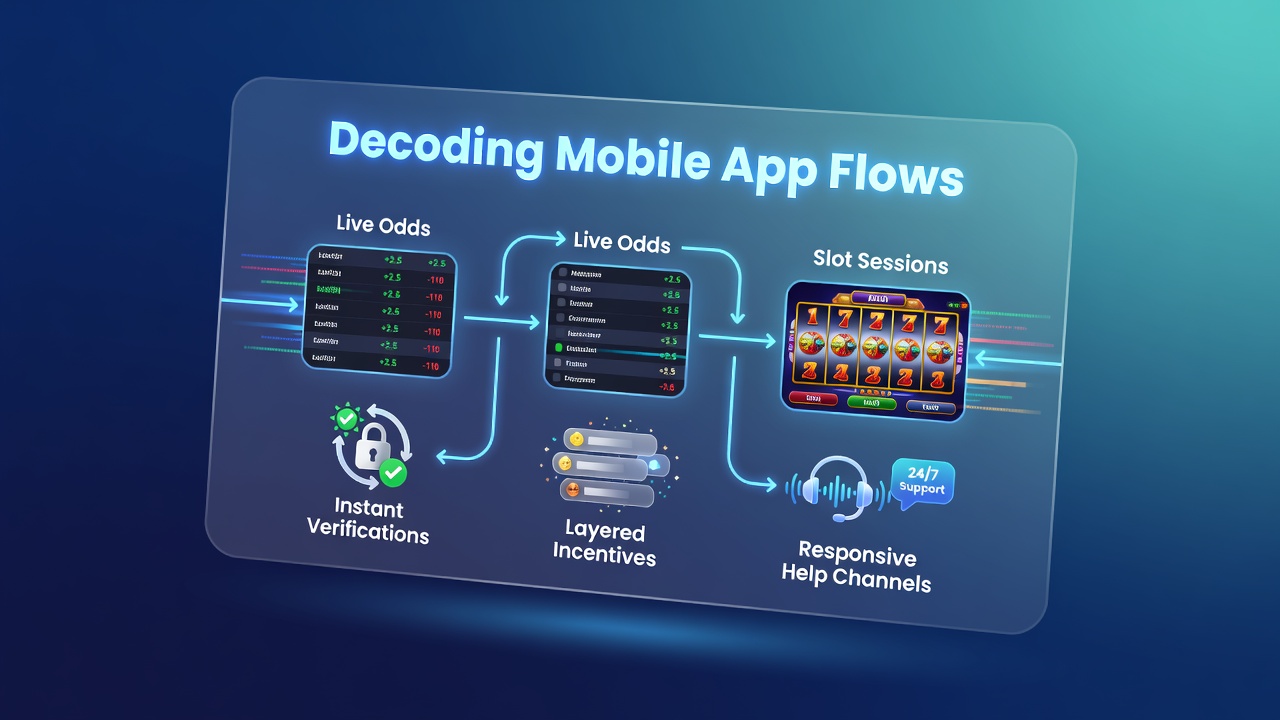
Mobile applications that combine live odds with slot sessions operate through coordinated data streams where real-time updates from sports events feed directly into casino-style interfaces, and the process begins with backend servers that push notifications to user devices within milliseconds of odds changes.
Instant Verification Processes in App Workflows
Verification layers activate the moment a user opens a session, pulling data from multiple sources to confirm identity and account status before any wager or spin occurs, while developers integrate biometric checks alongside traditional password systems to reduce latency. Observers note that these steps often occur in under three seconds when network conditions remain stable, and the architecture relies on API calls that cross-reference databases maintained by operators and third-party compliance firms.
Applications maintain separate queues for verification tasks so that live odds continue updating even as security protocols run in parallel, and this separation prevents bottlenecks during peak usage periods such as major sporting events in August 2026. Data from the Nevada Gaming Control Board indicates that operators handling high volumes of concurrent sessions prioritize these parallel processes to sustain uninterrupted play across integrated features.
Layered Incentive Structures and Their Integration
Incentive systems stack multiple reward types where users receive credits for completing verification steps, additional bonuses for engaging both live odds and slot elements within the same session, and loyalty points that accumulate across different game modes. These layers activate through conditional triggers coded into the app logic, releasing rewards only after specific thresholds like a minimum number of verified bets or spins are met.
Operators design these incentives to encourage transitions between betting formats, and the flow typically routes users from a live odds screen to a slot interface via embedded prompts that display available bonuses without interrupting the primary activity. Research published by the University of Nevada, Reno, examined how such layered systems influence session duration across mobile platforms, finding measurable increases in cross-feature engagement when incentives align with real-time event data.
Responsive Help Channels Within Mobile Ecosystems
Support mechanisms embed directly into the app navigation so that users access chat functions or FAQ sections without exiting the active session, and these channels draw from the same user data used for verification to provide context-specific assistance. Automated responses handle common queries about odds syncing or incentive eligibility, while live agents intervene when issues involve transaction disputes or account restrictions.
Operators route help requests through prioritized queues that factor in session activity, elevating tickets from users currently engaged in live odds or slot sequences. Figures from the Canadian Centre on Substance Use and Addiction show that integrated support features correlate with higher retention rates in jurisdictions where mobile gaming volumes grew steadily through mid-2026.
Data Flow Between Live Odds and Slot Sessions
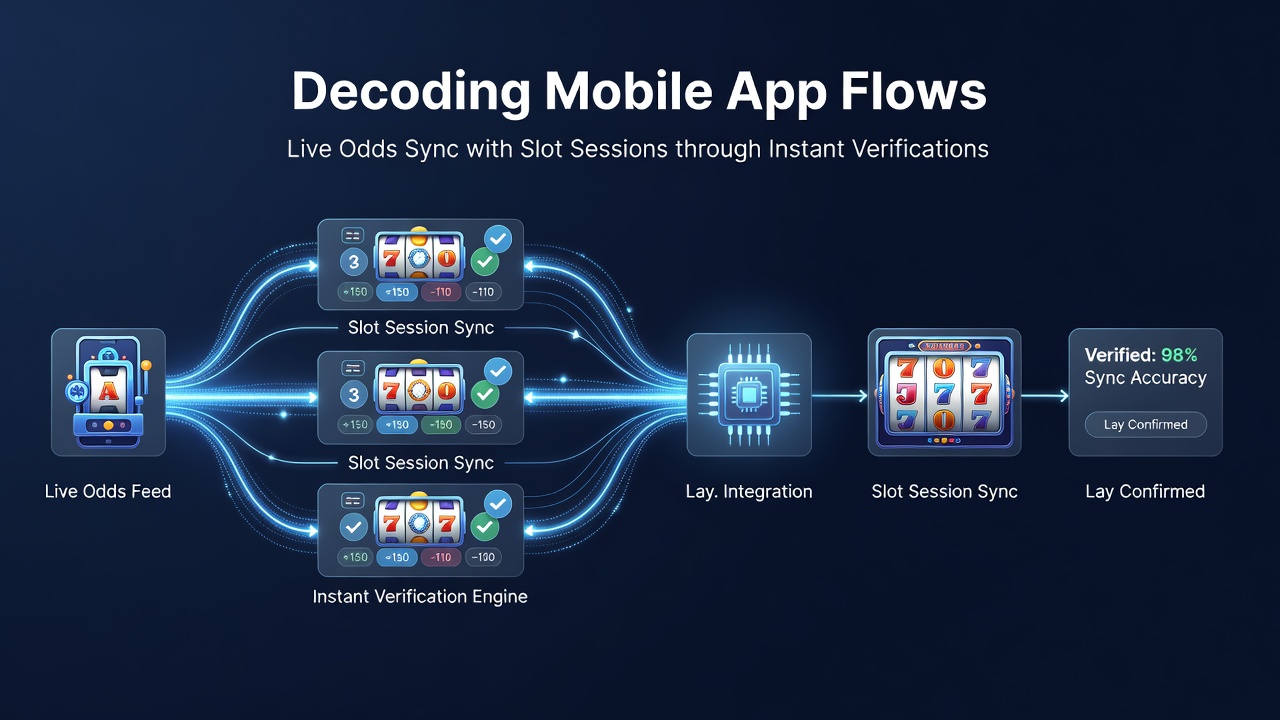
Synchronization occurs when the app pulls live event feeds and simultaneously loads slot mechanics that can reference those feeds for dynamic content such as themed reels or bonus rounds tied to match outcomes. The backend uses event-driven architecture where a goal scored in a football match triggers both an odds update and a potential slot feature unlock, and this linkage relies on timestamped data packets that arrive in sequence to maintain consistency across displays.
Developers test these connections extensively to handle variable network speeds, ensuring that slot sessions pause or adjust gracefully if a live odds feed experiences temporary delays. Those who have studied similar systems note that the result is a unified experience where users move between formats without manual refresh or separate logins.
Conclusion
The combination of instant verifications, layered incentives, and responsive channels creates pathways that keep users within a single application environment while shifting between live odds and slot activities. These elements connect through shared data pipelines that operators refine continuously based on usage patterns observed in markets around the world.