Mapping Support Interactions to Bonus Optimization in Portable Wagering Environments
Drew Schröder · Jul 10, 2026
Mapping Support Interactions to Bonus Optimization in Portable Wagering Environments
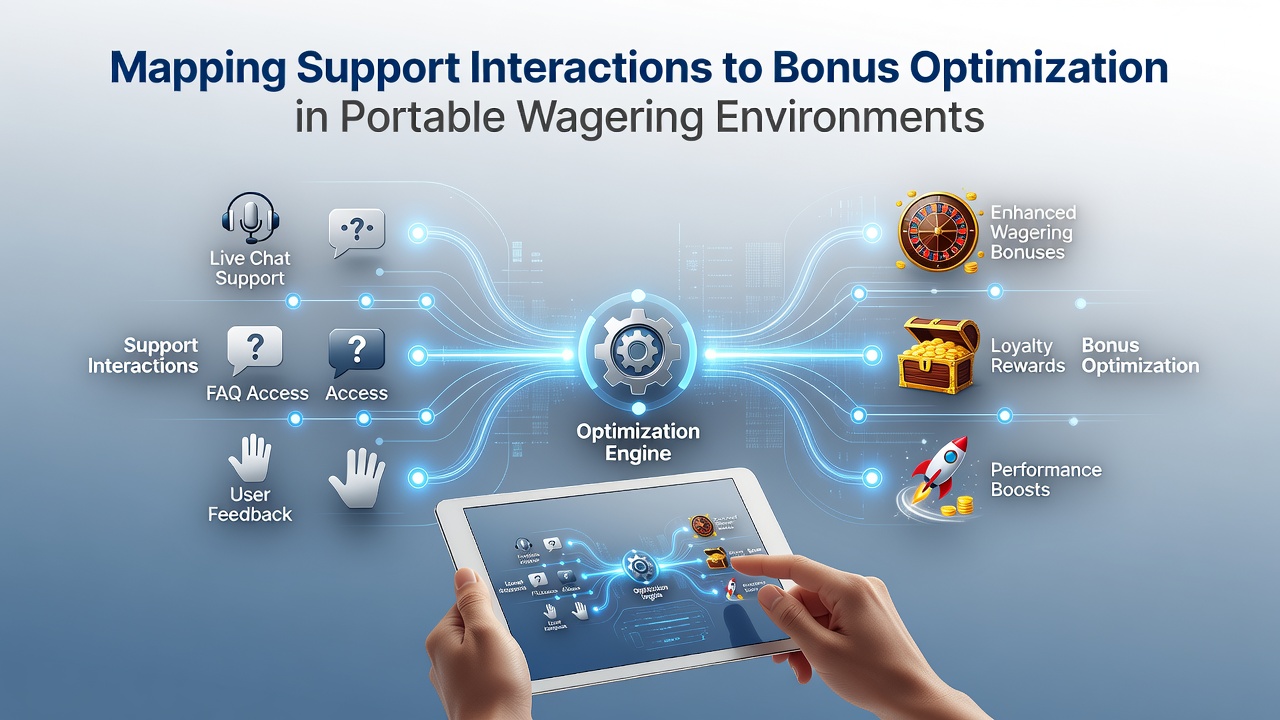
Portable wagering environments rely on seamless mobile applications that handle live sports bets, casino spins, and instant transactions while support teams manage player inquiries ranging from deposit issues to account verification. Observers note that these interactions generate data points which platforms then map against bonus structures to refine offers and improve retention rates. Research from the American Gaming Association shows that operators track support tickets to identify patterns in player behavior, allowing adjustments to welcome bonuses, reload promotions, and loyalty rewards based on actual usage rather than generic assumptions.
Data Collection from Support Channels
Support interactions occur through in-app chat, email threads, and phone lines where agents record details about delays in withdrawals or confusion over wagering requirements. Those details feed into centralized systems that categorize queries by type, frequency, and resolution time, creating datasets that analysts cross-reference with bonus redemption histories. Data indicates players who contact support about bonus terms often receive tailored follow-up offers that clarify conditions, and this process reduces repeat inquiries while increasing completion rates for playthrough targets. In July 2026 several operators reported streamlined workflows after integrating these mappings, leading to faster response times across mobile sessions.
Pattern Recognition and Bonus Adjustments
Algorithms analyze clusters of support contacts to detect when certain bonus types trigger friction, such as high wagering multipliers that prompt repeated clarification requests. Operators then shift resources toward simpler structures like deposit-match incentives with lower thresholds or time-limited free spins that align with common player preferences observed in the data. The European Gaming and Betting Association published findings in early 2026 that demonstrated a 12 percent rise in bonus utilization after platforms applied similar mapping techniques to their portable environments.
One operator adjusted its mobile cashback program after support logs revealed frequent questions about eligibility windows, shortening the claim period and adding automated notifications that cut related tickets by nearly a third. Such changes emerge directly from the interaction records rather than broad market surveys, providing a more precise calibration of rewards.
Integration with Mobile Platform Features
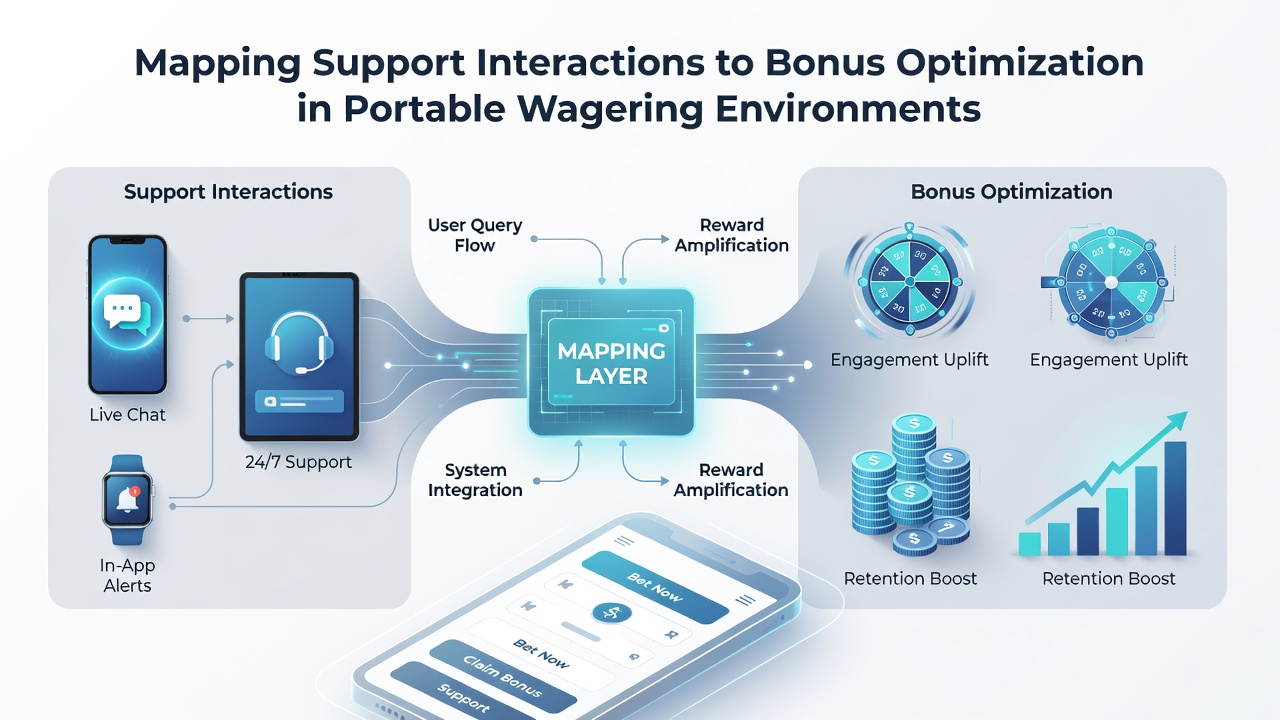
Portable environments add layers of complexity because users switch between devices and sessions at irregular intervals, which support teams document through timestamps and device identifiers. These records help optimize bonus delivery so that offers appear at moments when players are most likely to engage, such as after a completed withdrawal or during live event lulls. Systems flag accounts that generate multiple support contacts around payment processing and route targeted reload bonuses to those users to encourage continued activity without additional friction.
Industry reports from the Canadian Gaming Association highlight that mobile-first operators achieve higher conversion when support-derived insights inform the timing and format of promotions, particularly for users in regions with variable network conditions that occasionally disrupt transactions.
Compliance and Reporting Considerations
Regulatory frameworks require transparent documentation of how bonus parameters connect to player support histories, ensuring offers do not inadvertently favor or disadvantage specific segments. Platforms maintain audit trails that link each adjusted bonus to the underlying interaction data, allowing oversight bodies to verify fairness. This mapping also supports responsible gambling measures by identifying players who repeatedly seek support for bonus-related losses and routing them toward limit-setting tools instead of escalated promotions.
Analysts at academic institutions studying digital gaming have examined datasets from multiple jurisdictions and found that structured mapping reduces regulatory queries while maintaining player engagement levels across portable platforms.
Conclusion
Mapping support interactions to bonus optimization creates a feedback loop where real-time player questions directly shape reward structures in mobile wagering applications. The approach relies on categorized data, pattern analysis, and timely adjustments that align promotions with documented needs rather than static templates. As portable environments continue to expand, the integration of these processes supports both operational efficiency and regulatory compliance across different markets.