Reward Architectures Directing Deposit and Withdrawal Patterns in Hybrid Mobile Betting Ecosystems
Vera Flores · Jun 9, 2026
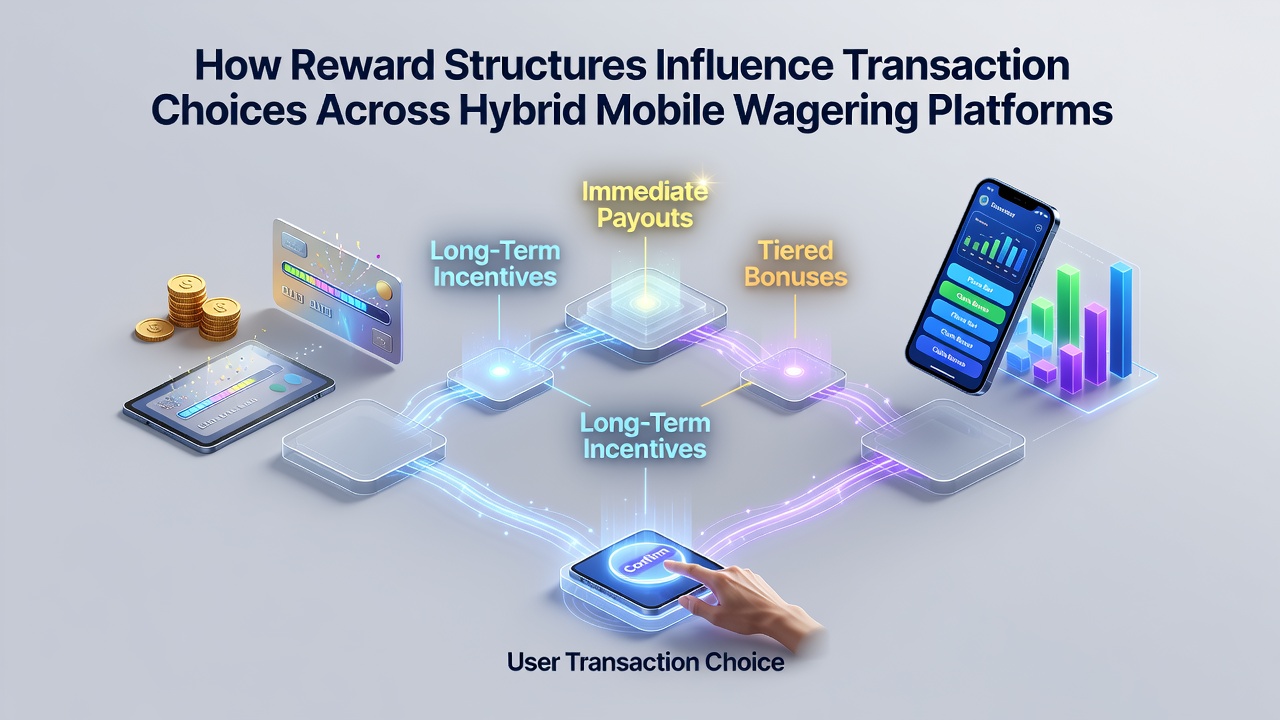
Reward Architectures Directing Deposit and Withdrawal Patterns in Hybrid Mobile Betting Ecosystems
Hybrid mobile wagering platforms combine sports betting with casino features in single applications, and reward structures within these systems shape how users select payment methods along with timing their deposits and withdrawals. Data collected across multiple jurisdictions shows that bonus multipliers, cashback percentages, and tiered loyalty points correlate with shifts toward specific transaction channels such as e-wallets over traditional cards.
Operators design these incentives to encourage repeated activity, yet transaction records reveal measurable differences in volume and velocity depending on the reward type attached to each payment option. Studies tracking user cohorts from early 2025 through June 2026 indicate that platforms offering deposit-matched bonuses via digital wallets recorded higher average transaction frequencies compared with those limited to bank transfers.
Core Components of Reward Structures
Reward structures typically include welcome packages that match initial deposits up to set thresholds, ongoing cashback on net losses, and loyalty programs that convert play volume into redeemable credits or faster processing tiers. Each element attaches conditions that steer users toward particular funding sources because only certain methods qualify for the enhanced rates.
Platforms integrate these rewards directly into the transaction interface, displaying real-time bonus eligibility when a user selects a payment provider. This integration creates visible pathways where users gravitate toward methods that unlock immediate value, such as instant credit for e-wallet deposits versus delayed rewards for card transactions.
Transaction Selection Patterns Across Payment Channels
Payment logs from hybrid applications demonstrate that reward eligibility drives preference for instant funding options. When a platform grants extra loyalty points exclusively for cryptocurrency or prepaid voucher deposits, those channels experience elevated usage rates during promotional windows. Conversely, methods excluded from bonus calculations show reduced activity until the reward period ends.
Withdrawal behavior follows similar logic. Users who accumulate points through deposits often route winnings back through the same channel to preserve tier status or trigger expedited processing. Records from multiple operators confirm that loyalty-linked accounts display shorter intervals between deposit and cashout cycles when rewards scale with transaction speed.
Regional Data and Platform Comparisons
Figures compiled by the Alcohol and Gaming Commission of Ontario highlight that mobile hybrid accounts with active reward programs processed 22 percent more deposits through digital wallets than accounts without such incentives during the first half of 2026. Similar patterns appear in reports from other markets, where operators track how bonus caps and rollover requirements alter the mix of funding sources over successive quarters.
Academic analysis from the University of Nevada, Las Vegas examined transaction datasets and found that users exposed to progressive cashback tiers maintained higher overall balances yet executed withdrawals more selectively, often waiting for reward thresholds before initiating cashouts. These behavioral adjustments occurred consistently across both sports and casino modules within the same applications.
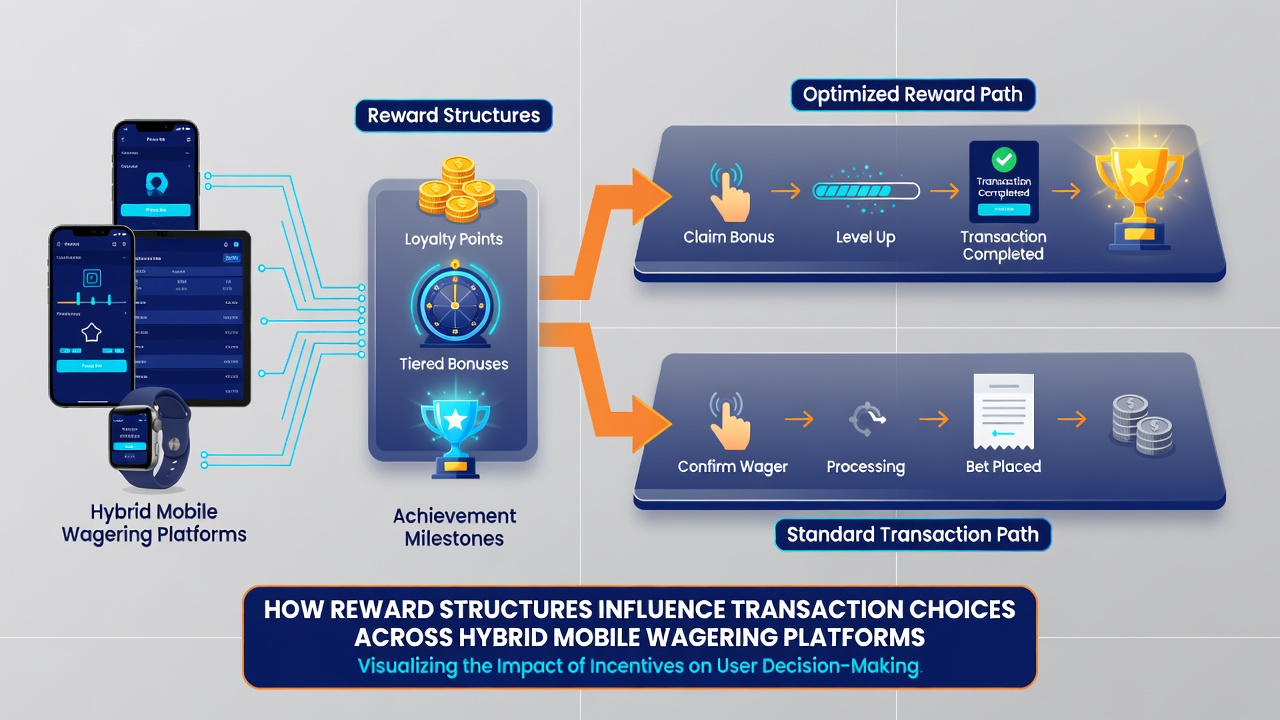
Hybrid platforms that combine live betting with slot or table games further amplify these effects because seamless movement between verticals allows users to apply rewards earned in one area to transactions in another. Operators report that unified loyalty ledgers reduce friction and increase the likelihood that users maintain consistent payment preferences across the entire ecosystem.
Regulatory Context and Industry Responses
Regulatory frameworks in various regions require clear disclosure of reward conditions attached to transactions, which influences how platforms present options to users. Clear labeling of eligible methods and associated rollover obligations helps maintain compliance while still guiding transaction flows toward preferred channels.
Industry associations note that operators continue refining reward parameters in response to observed shifts, such as increasing cashback percentages for underutilized payment rails or introducing time-limited multipliers that coincide with major sporting events. These adjustments produce measurable changes in deposit composition within days of implementation.
Conclusion
Reward structures embedded in hybrid mobile wagering platforms exert measurable influence over deposit and withdrawal selections by aligning incentives with specific payment methods and timing preferences. Transaction data collected through June 2026 across multiple regulatory environments confirms consistent patterns where bonus eligibility, loyalty tiers, and processing speed rewards direct user behavior toward designated channels. Operators and regulators alike track these dynamics to understand how incentive design interacts with payment ecosystems, and continued analysis of these relationships supports more precise platform configurations without altering the fundamental mechanics of user choice.