Smart Verification Systems Merge With Layered Rewards to Streamline Mobile Wagering Platforms
Drew Schröder · Jul 28, 2026
Smart Verification Systems Merge With Layered Rewards to Streamline Mobile Wagering Platforms
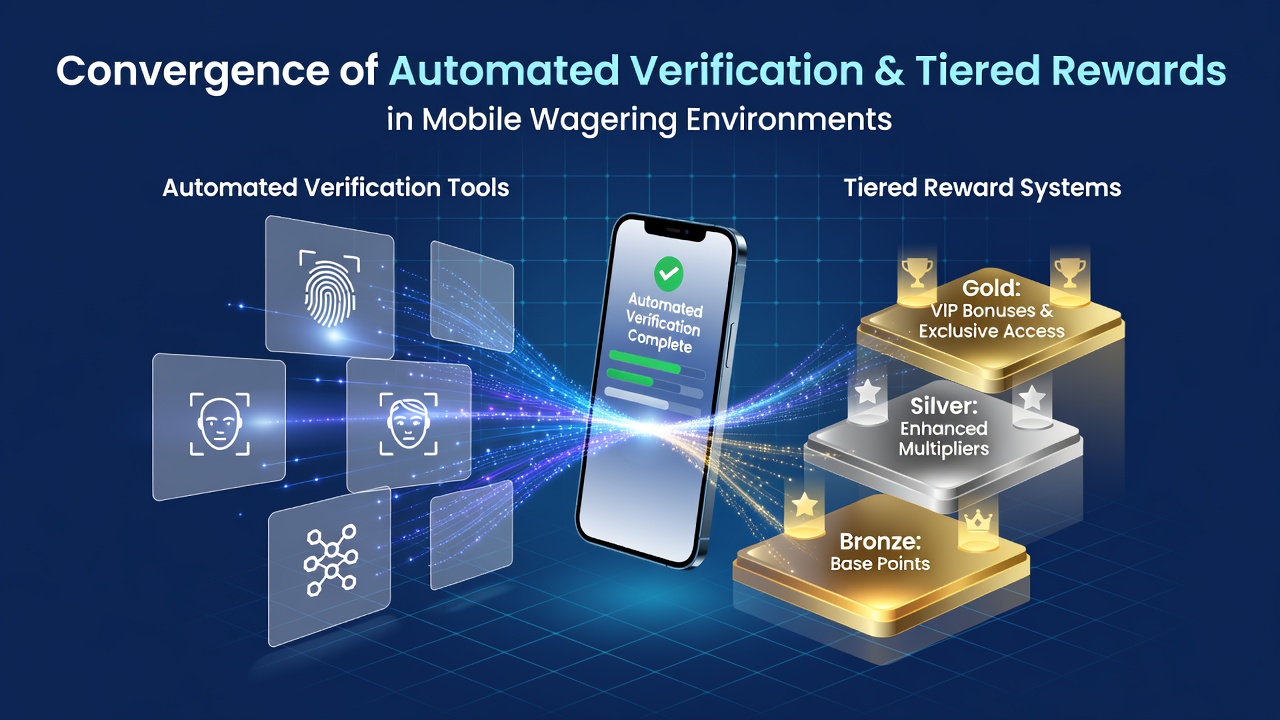
Observers note that automated verification tools now integrate directly with tiered reward systems across many mobile wagering environments, creating workflows that handle user onboarding, activity tracking, and incentive distribution in unified sequences. Data from industry reports indicate these combined systems reduce manual reviews by up to 70 percent while maintaining compliance standards set by various regulatory bodies. The process begins when a user registers through a mobile app. Automated verification tools scan identification documents, cross-reference biometric data, and confirm location details within seconds. Once cleared, the same data feeds into reward tier calculations that assign initial status levels based on deposit amounts, game preferences, and predicted activity patterns. Researchers at the International Gaming Institute have documented how this linkage allows platforms to deliver personalized bonuses immediately rather than after separate approval steps.Technical Foundations of the Integration
Automated verification relies on machine learning models trained on historical fraud patterns and regulatory checklists. These models process passport scans, selfie matches, and address proofs in parallel streams, flagging only high-risk cases for human review. Tiered reward engines then receive verified profiles and apply algorithms that adjust loyalty points, cashback percentages, and exclusive event access according to cumulative wagering volumes.
Figures reveal that platforms using this convergence report average session lengths increase by 22 percent compared to systems that handle verification and rewards separately. The connection works because verified users move straight into reward tracking without friction, while the tier system encourages sustained engagement that generates more data for ongoing verification accuracy.
Regional Adoption Patterns Through Mid-2026
As of July 2026, North American operators show the fastest uptake, driven by state-level licensing requirements that emphasize real-time identity checks. European markets follow closely, with several jurisdictions updating guidelines to accept automated outputs from certified tools. Australian authorities have piloted similar frameworks, linking verification outputs to reward eligibility to curb underage access while supporting responsible play metrics.
One study from the University of Nevada Reno tracked 150,000 mobile accounts across six months and found that users who received tiered rewards immediately after automated verification renewed deposits 35 percent more often than those waiting for manual processing. The same research noted reduced chargeback rates because early verification caught mismatched payment details before they triggered reward claims.
Security and Compliance Benefits
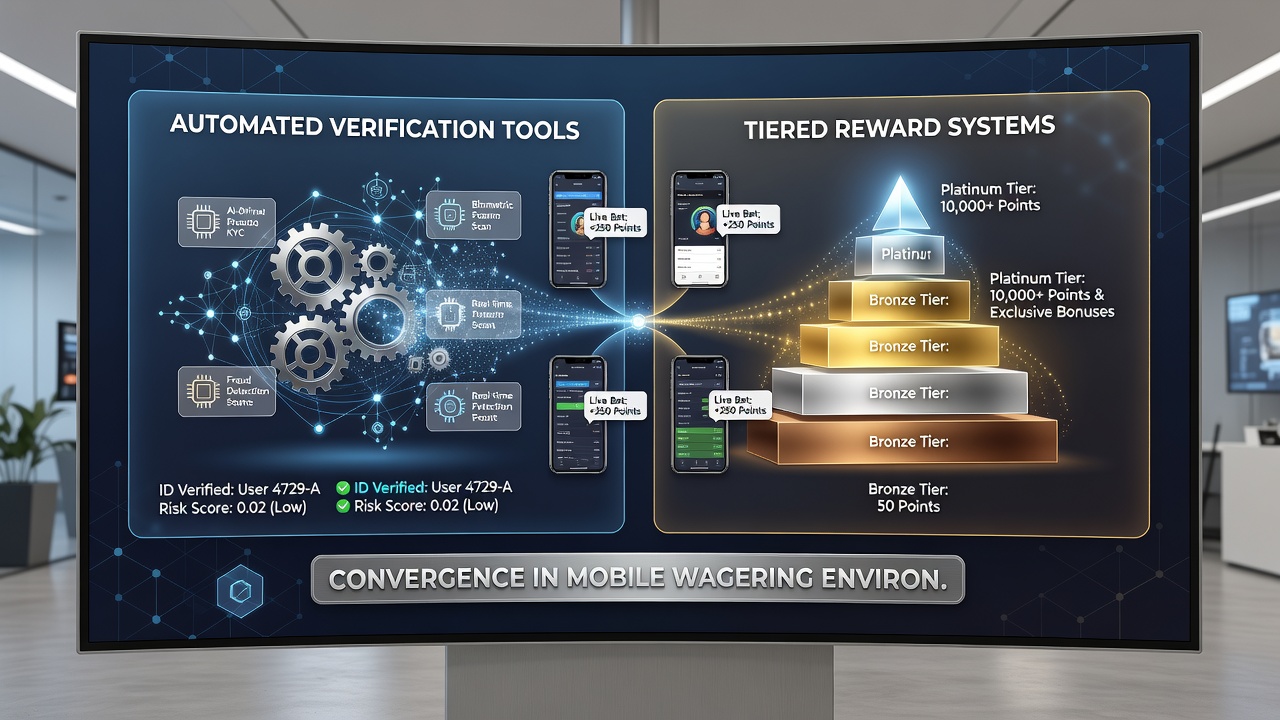
Converged systems create audit trails that satisfy multiple oversight bodies at once. Every verification decision and reward adjustment carries timestamps and source data, allowing regulators to review sequences without requesting separate exports. Industry associations such as the European Gaming and Betting Association have highlighted how these records help demonstrate adherence to anti-money laundering rules while preserving user privacy through encryption layers.
Platforms also use the combined data to set dynamic risk thresholds. High-tier users who maintain consistent patterns receive lighter verification touchpoints on subsequent logins, whereas sudden activity spikes trigger additional checks regardless of tier. This approach balances security with user experience, according to documentation shared by several Canadian provincial gaming corporations.
User Journey Examples
Take one operator in a regulated U.S. market that introduced the merged system in early 2026. New users completed verification in under 90 seconds, received base-tier rewards instantly, and saw their status climb automatically as they placed qualifying bets. The operator reported that support tickets related to bonus delays dropped by 48 percent within the first quarter of deployment.
Another case involved an Asian mobile platform serving multiple jurisdictions. Automated tools handled local identification formats while the tier engine converted verified activity into region-specific promotions. Observers documented that the unified flow allowed the platform to expand into two new markets without proportional increases in compliance staff.
Future Development Directions
Developers continue refining the algorithms that connect verification confidence scores with reward multipliers. Early tests show potential for predictive tiers that anticipate user lifetime value based on initial verified behavior. Academic papers from several European universities explore ethical guardrails to ensure these predictions do not disadvantage certain demographic groups.
Hardware advances such as improved on-device biometrics further support the trend. Mobile devices now perform part of the verification locally before transmitting results, reducing latency and data exposure. Reward systems then consume these on-device outputs to adjust tier status in real time during live events.
Conclusion
The convergence of automated verification tools and tiered reward systems continues to reshape operational models in mobile wagering environments. Data collected through 2026 demonstrates measurable gains in efficiency, compliance traceability, and user retention metrics across multiple regions. As tools mature and regulatory frameworks adapt, the integration appears positioned to remain a central feature of platform design rather than a temporary experiment.