Synchronizing User Authentication With Progressive Reward Structures in Mobile Live Betting and Casino Interfaces
Drew Schröder · Jul 19, 2026
Synchronizing User Authentication With Progressive Reward Structures in Mobile Live Betting and Casino Interfaces
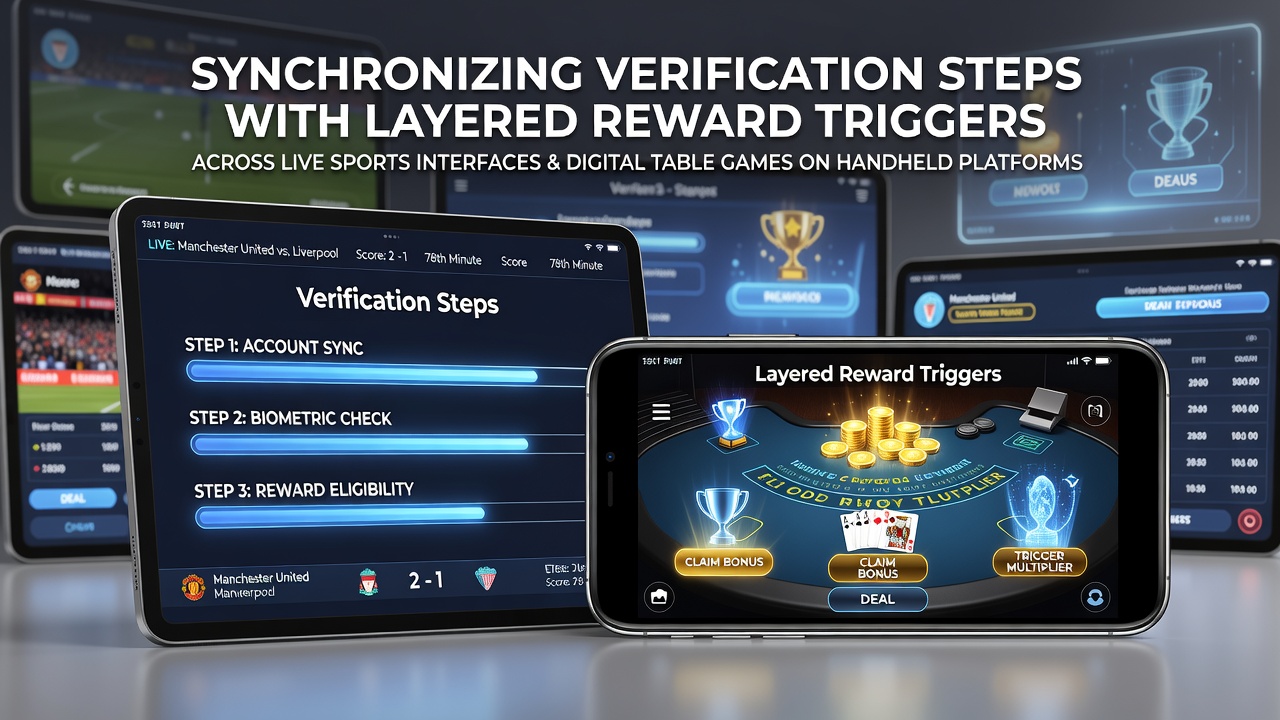
Platforms delivering live sports interfaces and digital table games on handheld devices coordinate verification steps with layered reward triggers through integrated backend systems that process authentication events alongside incentive activations in real time. Developers build these connections using API frameworks that link identity checks, location services, and account status updates directly to bonus engines, loyalty programs, and event-specific promotions.
Core Components of Verification and Reward Alignment
Verification processes on handheld platforms typically include account registration, document submission for age and identity confirmation, and ongoing geolocation validation required for live sports wagers. These steps feed into reward layers that unlock progressively, starting with initial deposit matches and advancing to cashback tiers or free spin allocations tied to table game activity. Systems monitor completion timestamps so that a verified user entering a live soccer match interface receives an immediate trigger for a matched wager bonus without separate manual intervention.
Digital table games operate under similar logic where verification status determines access to progressive jackpots or multiplier rewards during blackjack or roulette sessions. Handheld applications push notifications that reflect both authentication progress and pending rewards, maintaining continuity across device sessions through cloud-synced profiles.
Technical Implementation on Handheld Devices
Real-time synchronization relies on event-driven architectures that detect verification milestones and route them to reward distribution modules. Mobile operating systems support secure enclave storage for credentials, allowing seamless handoff between verification services and gaming engines. Data flows through encrypted channels that comply with regional technical standards, ensuring that layered triggers activate only after prerequisite checks complete.
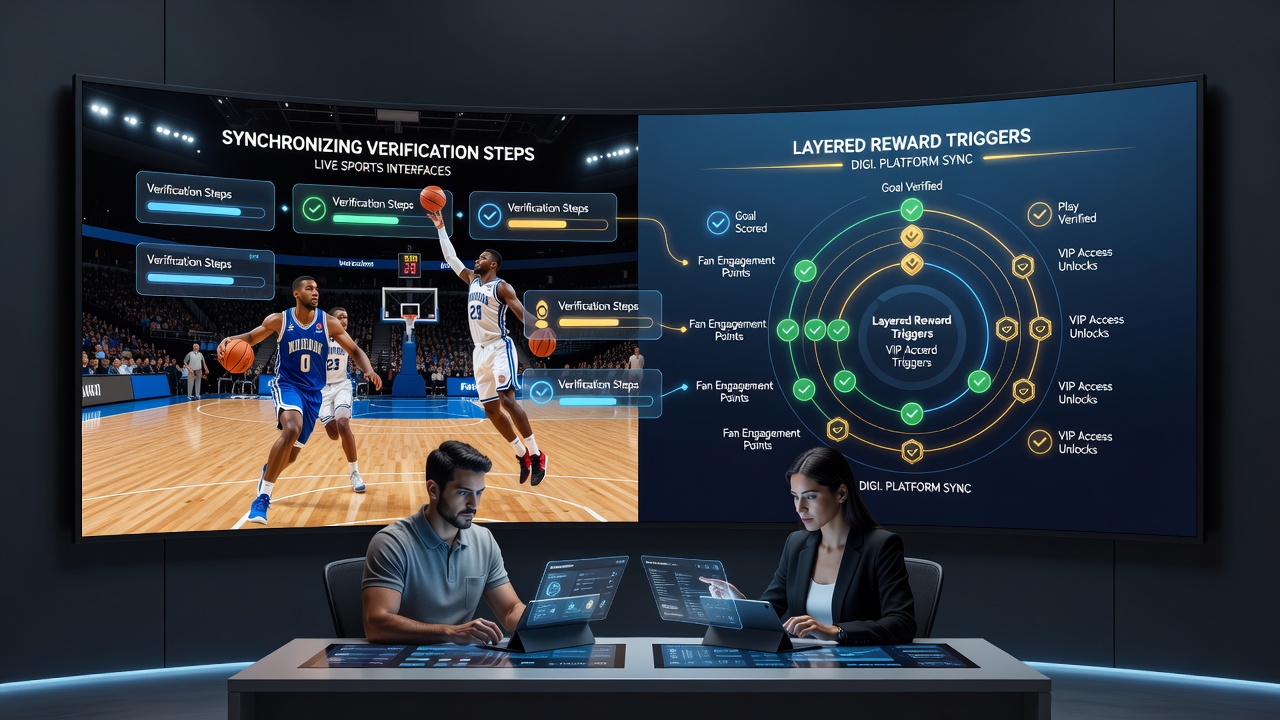
Live sports interfaces present additional demands because match events occur continuously, requiring reward triggers to respond within seconds of verification updates. Developers address this through microservices that poll authentication databases at high frequency while pushing updates to user interfaces on Android and iOS devices. Table game platforms apply the same pattern to session-based rewards, such as streak bonuses that accumulate only for authenticated players.
Industry Data and Adoption Patterns
Reports from the American Gaming Association indicate that mobile platforms handling combined sports and casino offerings expanded reward synchronization features throughout 2025 and into 2026. In July 2026 several operators released updates that reduced the interval between verification completion and reward availability from minutes to near-instantaneous processing. These changes coincide with increased handheld usage for live events, where users expect rewards to reflect their verified status without delay.
Research from the University of Nevada, Las Vegas Center for Gaming Research shows that synchronized systems correlate with higher session retention across both live sports and table game categories on portable devices. The study examined anonymized transaction logs and found that platforms employing event-linked triggers recorded more consistent progression through reward tiers compared with sequential models.
Regulatory Context Across Regions
Authorities in multiple jurisdictions require that reward mechanisms activate only for fully verified accounts, creating a baseline for synchronization design. The Ontario Lottery and Gaming Corporation publishes technical standards that specify timing requirements for identity confirmation relative to promotional credit issuance. Similar guidelines appear in Australian state frameworks administered by state-based regulators, emphasizing audit trails that link each reward trigger to a completed verification record.
European operators reference standards from the European Gaming and Betting Association when implementing cross-border handheld solutions, ensuring that layered rewards respect differing national verification rules while maintaining unified user experiences. These frameworks encourage modular code structures that allow region-specific verification modules to feed into a common reward engine.
Future Directions in Synchronization Practices
Continued refinement focuses on predictive elements that anticipate verification needs during live sessions and pre-stage reward eligibility. Machine learning models analyze user behavior patterns to flag potential verification friction points before they interrupt reward flows in sports or table game environments. Handheld hardware advancements, including improved biometric sensors, further support faster authentication handoffs that keep reward layers responsive.
Conclusion
Coordination between verification steps and layered reward triggers on handheld platforms continues to evolve through technical integration and regulatory alignment. Data from industry associations and academic sources demonstrate measurable impacts on user progression across live sports and digital table game offerings. Operators maintain these systems by updating backend linkages and adhering to regional technical requirements that govern timing and auditability.