The Interplay of Real-Time Payment Systems and Blended Wagering Activities Across Mobile Platforms
Finley Hartmann · Aug 23, 2026
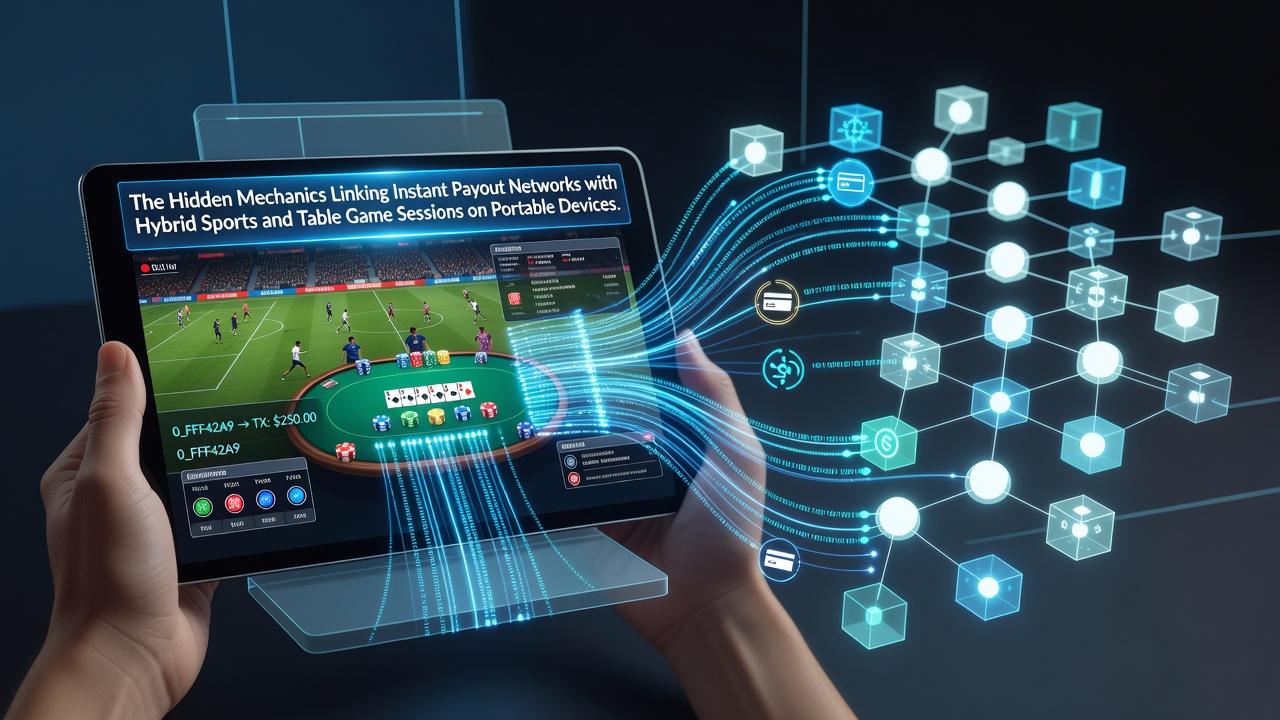
The Interplay of Real-Time Payment Systems and Blended Wagering Activities Across Mobile Platforms
Instant payout networks operate through layered application programming interfaces that connect financial processors directly to gaming servers while hybrid sessions allow users to move between live sports wagers and table game rounds without separate logins or reloads on portable devices, and data from industry observers shows these connections rely on low-latency protocols that update balances in milliseconds after each event outcome resolves.
Core Components of Instant Payout Frameworks
Payment gateways in these environments use tokenization to secure user details during transfers, whereas settlement occurs via automated clearing houses that release funds once verification checks clear through regulatory databases, yet observers note that blockchain elements sometimes appear in the backend for cross-border transactions to reduce intermediary delays and maintain audit trails that regulators can access on demand.
Those who examine the architecture find that application servers push notifications to handheld devices the moment a payout processes, and this happens because event listeners monitor both sports data feeds and random number generators simultaneously so the system treats every outcome as a single transaction stream rather than isolated bets.
Integration Patterns in Hybrid Mobile Sessions
Hybrid activity blends live odds from sports events with digital table games by routing all inputs through a unified session manager that tracks player position across multiple game types, while portable device operating systems support this through background processes that keep connections alive even when the screen dims or switches applications temporarily.
Researchers discovered that the underlying code often employs WebSocket connections to stream updates in real time, and this approach allows a user to place a wager on a soccer match then immediately join a blackjack table without losing the active balance state or triggering extra authentication steps beyond the initial device fingerprint check.
Technical Pathways on Handheld Hardware
Portable devices handle these mechanics through optimized graphics rendering engines that display both sports interfaces and card animations from the same asset library, whereas battery and network optimizations prevent session drops during high-traffic periods such as major tournaments in August 2026 when participation volumes typically rise across global markets.
Evidence from platform developers indicates that edge computing nodes positioned near mobile carrier towers cut round-trip times for payout confirmations, and this setup proves essential because hybrid sessions generate more frequent micro-transactions than single-category play alone.

Regulatory and Security Overlays
Security protocols layer encryption standards across every data packet exchanged between the device and central servers, while compliance modules automatically log each payout for review by oversight bodies such as the New Jersey Division of Gaming Enforcement that monitors cross-state activity patterns.
One study revealed that multi-factor checks run in the background without interrupting play, and analysts at the Canadian Gaming Association have documented how these checks integrate with payout rails to flag unusual activity before funds leave the account.
Data Flow and Latency Management
Real-time data pipelines pull sports statistics from official leagues and feed them into betting engines that calculate odds adjustments on the fly, whereas table game outcomes generate through certified randomizers that operate independently yet share the same payout queue so users experience consistent withdrawal speeds regardless of session type.
Turns out the synchronization happens at the database level where a single ledger records every credit and debit, and this unified approach reduces reconciliation errors that older separate systems once produced during peak usage windows.
Conclusion
The connections between instant payout networks and hybrid mobile sessions rest on coordinated software layers that prioritize speed and continuity across sports and table game elements, and continued refinement of these systems follows patterns observed in transaction logs from multiple jurisdictions through 2026. Observers continue to track how hardware advances and regulatory updates shape the next iterations of these frameworks without altering the core objective of seamless balance management on portable devices.