Tracing Payment Pathways Through Responsive Assistance for Sustained Momentum in Real-Time Sports and Casino Hybrids on Handheld Platforms
Vera Flores · Jul 17, 2026
Tracing Payment Pathways Through Responsive Assistance for Sustained Momentum in Real-Time Sports and Casino Hybrids on Handheld Platforms
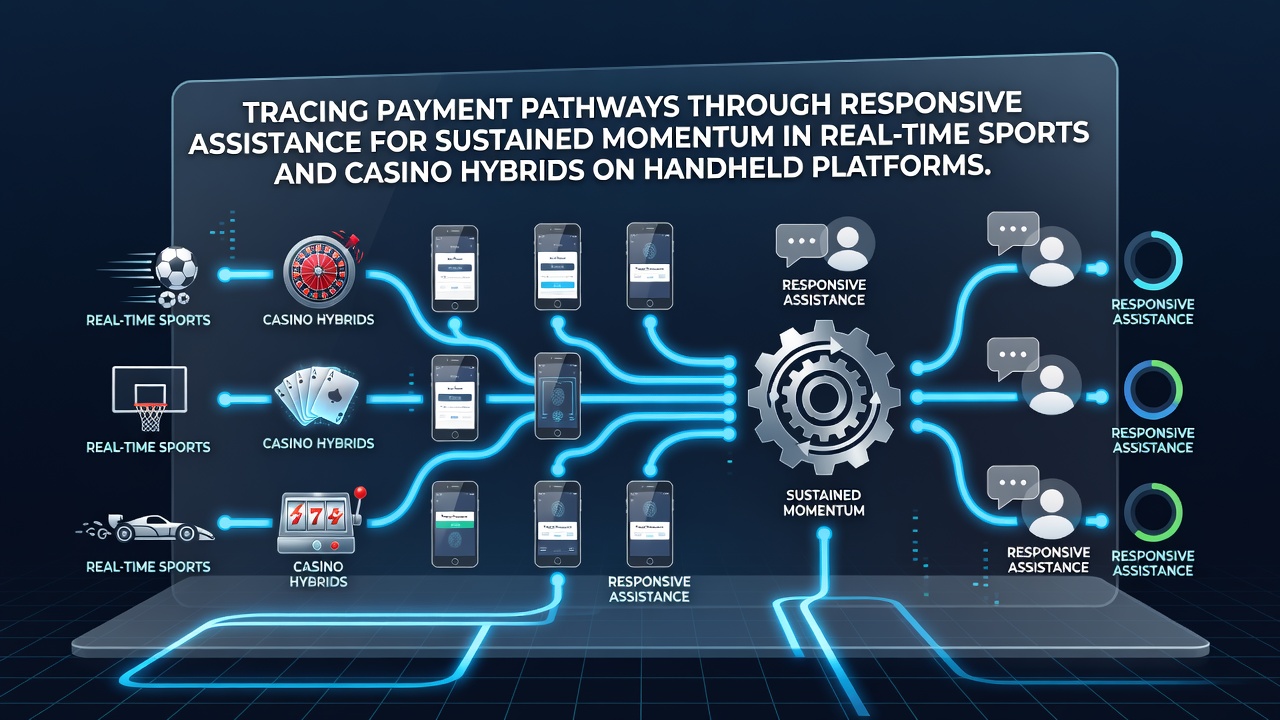
Payment pathways in real-time sports and casino hybrids on handheld platforms follow structured sequences that begin with deposit initiation and extend through verification, transfer, and eventual cashout stages, while responsive assistance maintains operational continuity during each step. These pathways integrate multiple financial rails including e-wallets, bank transfers, and digital currency options, all optimized for devices that support live betting interfaces alongside slot and table game modules.
Core Components of Payment Pathways in Hybrid Environments
Handheld platforms combine live odds updates from sports events with instant casino rounds, which creates demand for payment systems that process transactions in seconds rather than minutes. Research from the American Gaming Association indicates transaction volumes in mobile hybrid applications rose consistently through 2025 and into mid-2026, driven by users who switch between sports wagers and casino spins within single sessions. Payment gateways employ tokenization to secure card details, followed by real-time authorization checks that confirm funds before bets are placed or spins are activated.
Users encounter several transfer options that differ in speed and fee structure. Instant methods such as digital wallets complete deposits in under ten seconds, whereas traditional bank links may require up to two business days for settlement. Data from the Australian Institute of Criminology shows that platforms offering both instant and scheduled rails experience higher session retention rates because players can select methods that match their immediate needs during live events.
Integration of Responsive Assistance with Transaction Flows
Support teams monitor transaction logs through dedicated dashboards that flag delays or verification failures in real time. When an authorization stalls, assistance agents contact users via in-app chat or push notifications to request additional documentation or confirm account details, thereby preventing momentum loss in ongoing sports matches or casino sequences. Observers note that this proactive intervention reduces abandoned sessions by reconnecting interrupted payment attempts before users exit the application.
July 2026 records from several platform operators revealed that average response times for payment-related queries fell below ninety seconds when automated routing directed queries to specialized financial support queues. These teams operate across time zones to match peak activity periods in different regions, ensuring that a user placing a live bet during an evening soccer match receives assistance even if the primary market operates in another hemisphere.
Maintaining Sustained Momentum Across Sports and Casino Modules
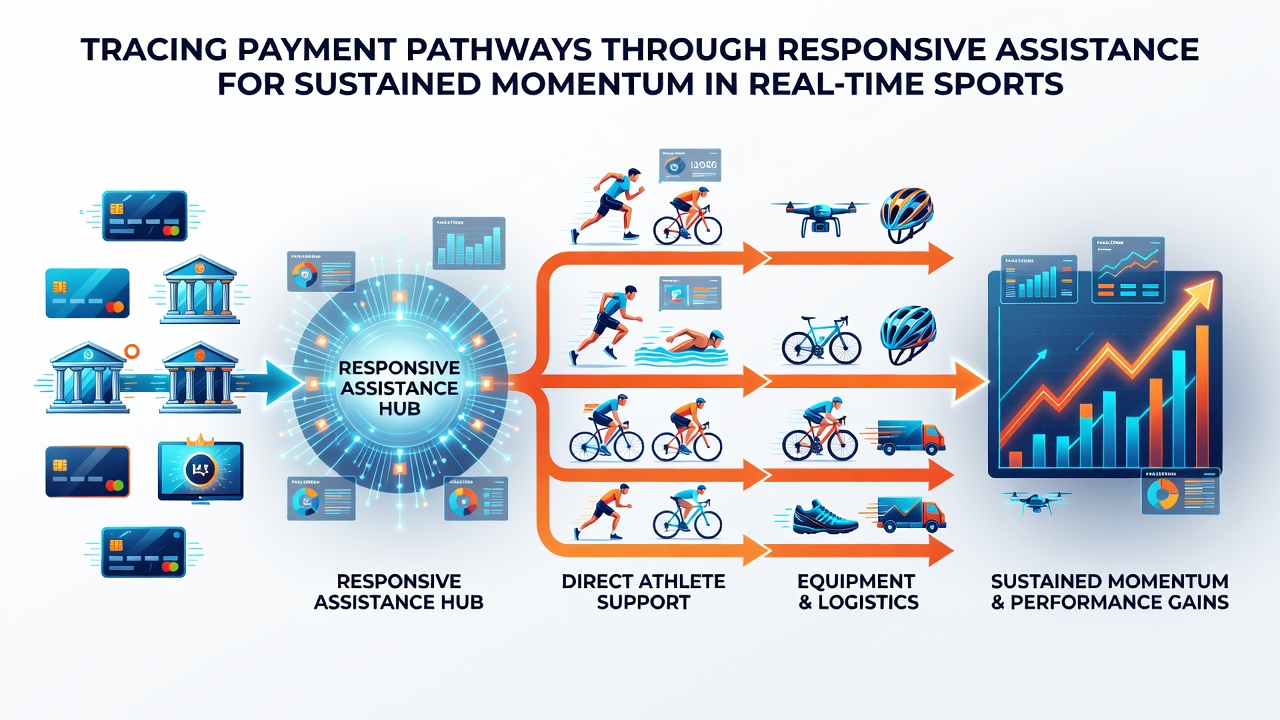
Hybrid applications synchronize payment confirmations with both live sports data feeds and random number generator outputs for casino games, which allows winnings from one module to fund wagers in the other without manual intervention. When a cashout request follows a successful sports bet, the system routes the request through the same verification layer used for deposits, reducing processing friction. Those who study these systems report that seamless balance transfers between sports and casino sections encourage longer engagement periods because users avoid logging out to switch funding sources.
Security protocols embedded in these pathways include multi-factor authentication triggered at higher transaction thresholds, yet the process remains embedded within the app interface rather than redirecting users to external browsers. This containment preserves the flow from one game type to another while meeting regulatory standards for identity confirmation in various jurisdictions.
Technical Infrastructure Supporting Real-Time Operations
Backend architectures rely on cloud-based processors that scale during major sporting events when transaction spikes occur alongside casino activity. Load balancing distributes requests across multiple servers so that a single high-volume match does not delay casino spin resolutions or deposit approvals. Industry reports compiled by the National Council of Problem Gambling highlight that platforms investing in redundant payment nodes maintain uptime rates above 99.5 percent during peak hours in July 2026.
Encryption standards evolve alongside device capabilities, with handheld platforms adopting the latest TLS protocols to protect data in transit between the user device and payment processors. These measures operate transparently to the end user, who experiences only the outcome of approved or declined transactions accompanied by clear status messages.
Conclusion
Payment pathways in real-time sports and casino hybrids on handheld platforms function as interconnected sequences that depend on responsive assistance to sustain user activity across live events and game rounds. Technical infrastructure, verification layers, and support mechanisms together enable rapid fund movement while preserving security and regulatory compliance across regions. Continued refinement of these systems supports the operational demands of hybrid environments where players expect uninterrupted access to both sports wagering and casino features from a single device.